When Hypnosis Meets Acupuncture, Your Nervous System Listens
Most people think of hypnosis and acupuncture as two separate disciplines: one working through the mind, the other through the body. That distinction is less accurate than it sounds. Recent neuroscience research shows that both interventions converge on the same brain circuits, the ones responsible for attention, pain processing, autonomic regulation, and emotional response. Hypnopuncture is what happens when a practitioner deliberately layers both interventions into a single session instead of running them separately.
At All Deep Massage & Wellness in Sherwood Park, Jodi Willis, R.Ac is certified in this technique. It’s the most recent addition to a toolkit that already includes Master Tung acupuncture, auricular acupuncture, abdominal acupuncture, and electroacupuncture.
What Hypnopuncture Actually Is
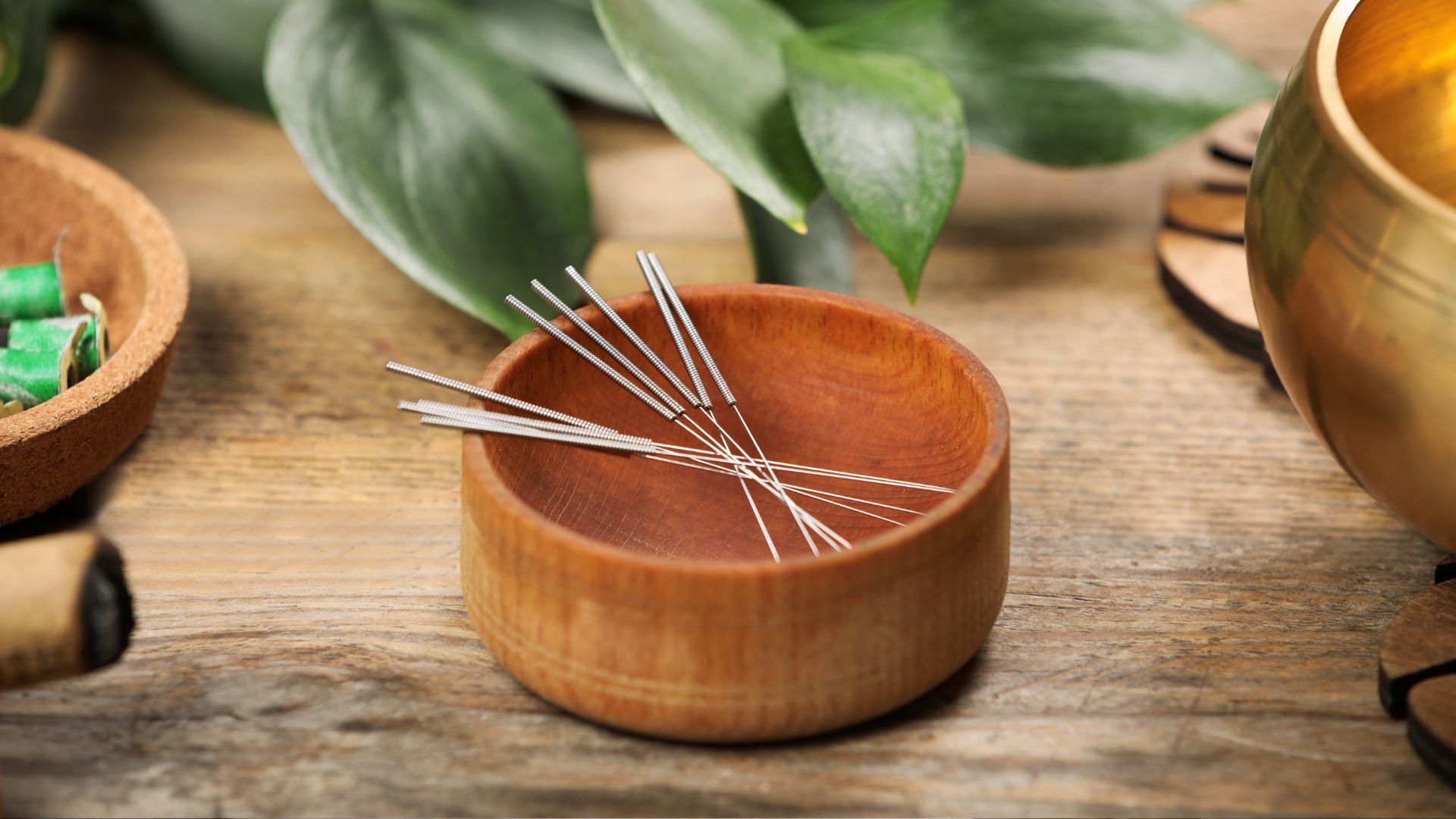
Hypnopuncture combines acupuncture needling with hypnotic induction in the same session. It isn’t acupuncture with a relaxation script playing in the background, and it isn’t hypnotherapy with needles added as an afterthought. The two techniques are sequenced and layered so that each one amplifies what the other is already doing to your nervous system.
The Overlap: Why These Two Techniques Work on the Same System
Acupuncture and hypnosis were developed independently, in different eras and different medical traditions, but they act on overlapping neural territory.
Shared processing centers. Both interventions influence the insula and anterior cingulate cortex, the regions that integrate internal bodily signals and assign emotional weight to sensation. This is part of why acupuncture and hypnosis each show measurable effects on how pain and stress are experienced, not just registered.
Reinforced pain inhibition. Hypnosis strengthens top-down control from the prefrontal cortex, the brain’s regulatory center for filtering and dampening incoming signals. Acupuncture works the opposite direction, reinforcing bottom-up inhibition at the point where nociceptive (pain) signals enter the nervous system. Layered together, you get downward regulation and upward inhibition happening at once, a more complete circuit than either technique produces alone.
Deeper parasympathetic shift. Acupuncture is already associated with a shift toward parasympathetic dominance, the “rest and digest” state that lowers sympathetic (fight or flight) activity. Hypnosis deepens that shift further, increasing vagal tone and giving the nervous system more room to move out of chronic overdrive. For clients whose systems have been stuck in sympathetic activation for months or years, that combined effect is often the difference that makes change possible.
Who Hypnopuncture Is For
Because it works on attention, pain processing, and autonomic regulation simultaneously, Hypnopuncture has clinical applications broader than either technique used in isolation:
→ Addiction recovery: supporting the nervous system regulation that underlies cravings and relapse patterns, alongside conventional treatment
→ Weight management: addressing the stress-driven and habit-driven patterns that keep appetite and cortisol regulation off balance
→ Chronic stress and anxiety: for nervous systems that haven’t found their way back to baseline through standard approaches
→ Persistent pain conditions: where descending and ascending pain pathways both need to be addressed to get lasting relief
This isn’t a first-line treatment for every concern that walks through the door. It’s a specific tool for cases where nervous system dysregulation is the underlying driver, and where a single-modality approach hasn’t fully resolved it.
What a Session Looks Like
A Hypnopuncture session with Jodi begins the way most acupuncture treatments do, with a conversation about what you’re working on, followed by needle placement at points selected for your specific concern. From there, Jodi introduces hypnotic induction while the needles are in place, guiding you into a state of focused, receptive attention. You remain aware throughout. This isn’t about losing control. It’s about accessing a state where the nervous system is more responsive to both the physical and suggestive components of treatment.
Meet Jodi Willis, R.Ac
Jodi graduated from Grant MacEwan University’s Acupuncture Program in 2010 and is licensed through the College and Association of Acupuncturists of Alberta. Over the years, she’s built a practice around treating what conventional single-modality approaches often can’t fully resolve: persistent pain, stress disorders, digestive dysfunction, migraines, vertigo, and addiction. Hypnopuncture certification is her most recent step in that direction, another way to work with the nervous system directly rather than treating symptoms as isolated events.
Ready to Explore Hypnopuncture?
If you’re dealing with addiction recovery, weight management challenges, or stress that hasn’t responded to other approaches, Hypnopuncture may be worth a conversation. Book a consultation with Jodi today.
📞 780-416-0659 🌐 alldeepmassage.com ✉️ bookings@alldeepmassage.com