One Treats Muscle. One Treats You
If you’ve had a physiotherapist suggest dry needling, or a friend swear by acupuncture, you’ve probably wondered whether they’re the same thing. Both use thin, solid needles. Both can ease pain and muscle tension. From the outside, a dry needling session and an acupuncture session can look almost identical.
The difference is in the training behind the needle, what it’s aimed at, and how much of your body the treatment is designed to change. Here’s how the two compare, and how to choose the right one for what you’re dealing with.
Same Needles, Different Approach
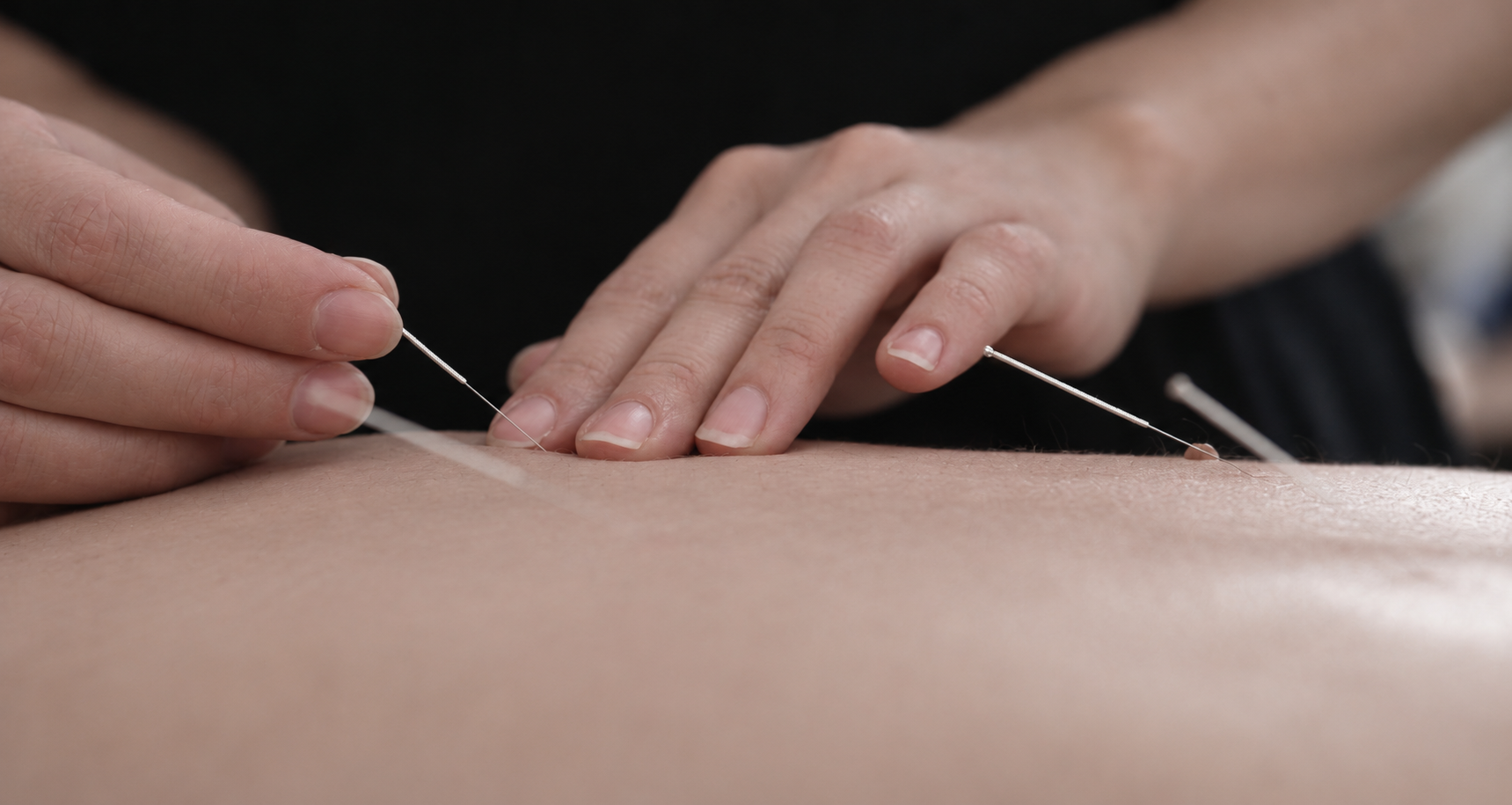
Dry needling and acupuncture use the same tool: a sterile, single-use filiform needle that is solid rather than hollow and far thinner than a needle used for injections. Nothing is injected, which is where the “dry” in dry needling comes from.
What separates them is scope.
Dry needling is a single technique. It targets myofascial trigger points, the tight, irritable knots in a muscle that refer pain to other areas. In Alberta, it is most often performed by physiotherapists who have completed additional post-graduate training in the technique, usually measured in days or weeks of coursework.
Acupuncture is a complete treatment system. Licensed acupuncturists in Alberta complete a multi-year diploma program, pass national licensing exams, and are regulated by the College and Association of Acupuncturists of Alberta. That training covers anatomy, assessment, and how to treat pain alongside the nervous system, digestion, sleep, stress, and hormonal health.
How Dry Needling Works
Dry needling focuses on a specific spot in a specific muscle. The practitioner locates a trigger point by touch, inserts the needle directly into it, and often moves the needle to provoke a “local twitch response,” a brief, involuntary contraction of the muscle fibres.
That twitch helps the knotted section of muscle release. Blood flow to the area improves, the chemical irritants that build up around a trigger point clear, and the muscle can return to a more normal resting length.
Dry needling can be effective for a stubborn muscle knot, such as a tight upper trapezius that won’t let go or a glute trigger point sending pain down the leg. It is local by design: the goal is to fix that muscle.
How Acupuncture Works
Acupuncture works on the muscle and on the system controlling it.
When a needle is placed, it stimulates nerve endings in the skin, muscle, and fascia. Those signals travel to the spinal cord and brain, where they trigger the release of endorphins and other pain-modulating chemicals and activate the body’s own pain-dampening pathways. This is why acupuncture can reduce pain in areas far from where the needles are placed.
Acupuncture also shifts the autonomic nervous system. Many people feel deeply calm, even drowsy, during treatment because their body is moving out of fight-or-flight and into its rest-and-digest state. That shift is a big part of why acupuncture is used for stress, anxiety, sleep problems, headaches, and digestive issues, not just sore muscles.
Acupuncture points are not random. Many sit where nerves, blood vessels, and connective tissue converge, which helps explain why stimulating them produces such consistent effects. You can read more about this in our post on how acupuncture points work.
Treatment can also be tailored with specialized techniques. Electroacupuncture adds a gentle electrical current to strengthen the nerve signal, while auricular acupuncture uses points on the ear to influence the nervous system.
Which One Is Right for You?
Think about what you’re trying to change.
Dry needling may be a good fit if you have:
- A single, well-defined muscle knot
- A recent strain in one specific area
- Tightness that’s already being managed through a physiotherapy program
Acupuncture is often the better choice if you’re dealing with:
- Chronic or widespread pain, such as low back pain, sciatica, arthritis, or fibromyalgia
- Tension headaches or migraines
- Pain that comes with poor sleep, stress, or anxiety
- Digestive concerns, fertility support, or menstrual and menopausal symptoms
- A problem that keeps coming back despite treating the muscle directly
Many people start with dry needling for a sore muscle and move to acupuncture when they realize the problem is bigger than one knot. Long-standing pain changes how your nervous system processes signals, and treating only the muscle doesn’t always reset that.
What to Expect at All Deep
Your first acupuncture appointment at All Deep Massage & Wellness starts with a conversation about your symptoms, health history, sleep, stress, and what you want to change. Our licensed acupuncturist, Jodi Willis, R.Ac, uses that assessment to build a treatment plan, choosing from techniques including electroacupuncture, auricular, abdominal, and Master Tung acupuncture.
Needles are placed quickly and are usually barely felt. You may notice a dull ache, warmth, or heaviness around a point, which is a normal sign the nerve has been stimulated. You’ll then rest for 20 to 30 minutes while the treatment works, and many clients fall asleep.
Most people notice a change within the first few sessions, with results building over a short course of treatment.
Frequently Asked Questions
Is dry needling the same as acupuncture?
No. Both use the same type of needle, but dry needling is a single technique for releasing muscle trigger points. Acupuncture is a complete system that treats pain along with the nervous system, sleep, stress, and other areas of health, and is delivered by a licensed acupuncturist.
Does acupuncture hurt more than dry needling?
Acupuncture is usually gentler. Dry needling deliberately provokes a muscle twitch, which can feel like a sharp cramp. Acupuncture needles are typically felt as a brief pinch or dull ache, and most people find treatment relaxing.
Is acupuncture covered by insurance?
Most extended health plans cover acupuncture when it’s provided by a licensed acupuncturist, and we direct bill many major providers. Check your plan for coverage limits. Dry needling is usually billed under physiotherapy instead.
Can I combine acupuncture with massage?
Yes, and the two work well together. Massage releases tight muscle and fascia, while acupuncture calms the nervous system that keeps that tension in place. Many clients book deep tissue massage and acupuncture as part of the same treatment plan.
Find the Right Treatment for Your Body
If you’ve tried treating a sore muscle and it keeps coming back, it may be time to look at the whole picture. Acupuncture treats the source of pain and the nervous system that keeps it going, so relief lasts longer.
📞 780-416-0659 🌐 alldeepmassage.com ✉️ bookings@alldeepmassage.com