The Massage You Need Isn’t Always the One You Think
If you’ve ever stared at a massage menu trying to figure out what you actually need, you’re not alone. Deep tissue and relaxation massage are the two most commonly booked treatments – and the most commonly misunderstood. Most people assume deep tissue means better, or that relaxation means less effective. Neither is true. They’re simply different tools designed for different jobs.
Here’s what each one actually does, and how to know which one is right for you.
What Is Relaxation Massage?
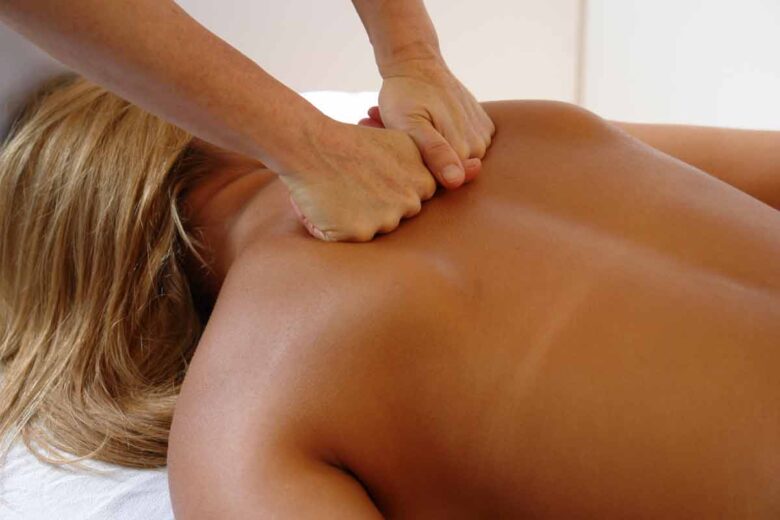
Relaxation massage – sometimes called Swedish massage -uses long, flowing strokes, gentle kneading, and rhythmic pressure to ease surface muscle tension and calm your nervous system. Sessions typically cover the full body and are designed to create a state of deep rest. But “relaxation” undersells what’s actually happening physiologically. During a relaxation massage your heart rate slows, cortisol levels drop, and your nervous system shifts from sympathetic (fight-or-flight) to parasympathetic (rest-and-repair) mode. This is the state where your body does its best healing work — repairing tissue, regulating hormones, and restoring energy reserves.
Relaxation massage isn’t a lesser treatment. It’s medicine for an overstimulated nervous system. For many people dealing with chronic stress, anxiety, fatigue, or burnout, it’s precisely what their body needs most.
What Is Deep Tissue Massage?
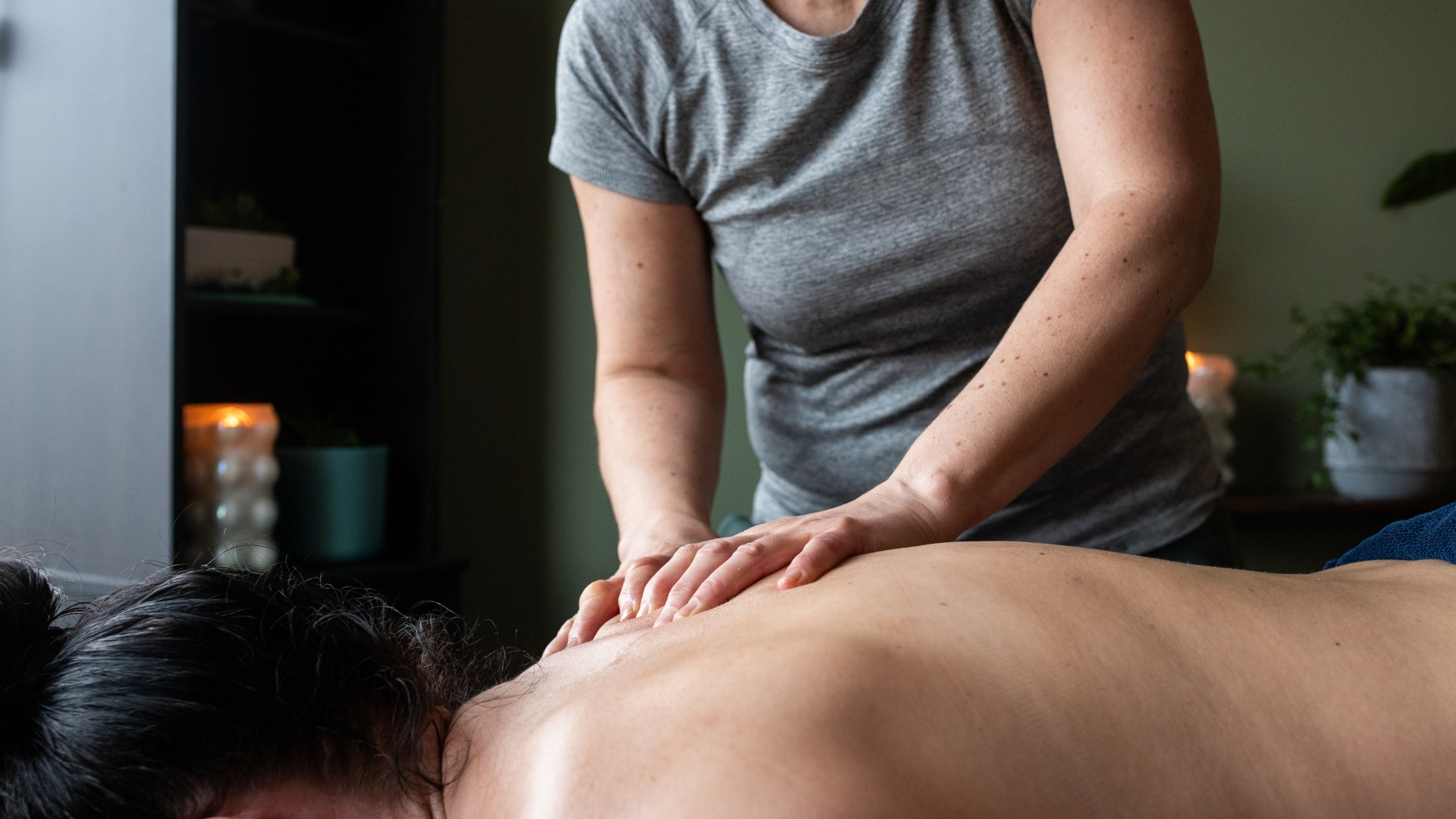
Deep tissue massage uses slower, more targeted pressure to reach deeper layers of muscle and connective tissue. The goal is structural – breaking up adhesions, releasing chronic tension patterns, restoring range of motion, and addressing specific areas of pain or dysfunction. This doesn’t necessarily mean harder or more painful. Skilled deep tissue work uses technique, not force. Pressure is applied progressively, allowing tissue to respond and release rather than brace against it. You may feel therapeutic discomfort — that “good hurt” sensation of pressure hitting exactly the right spot – but you should always be able to breathe normally and stay relaxed.
Deep tissue is particularly effective for chronic pain, muscle injuries, postural imbalances, sports recovery, and conditions like sciatica, frozen shoulder, and trigger points that have built up over time.
The Key Difference
Relaxation massage works broadly – calming your entire system, reducing tension throughout the body, and restoring your baseline. Deep tissue works specifically – targeting particular structures, breaking down restriction, and creating lasting change in problem areas. One treats the system. The other treats the structure. Both are therapeutic. Both produce real, measurable results. The right choice depends entirely on what your body needs right now.
How to Choose
Choose Relaxation Massage If:
You’re dealing with high stress or anxiety that shows up physically. You’re experiencing general tension without a specific injury or pain point. You’re recovering from illness or feeling run down. You haven’t had a massage in a while and your body needs to ease back in. You want to improve sleep quality or give your nervous system a genuine reset.
Choose Deep Tissue Massage If:
You have a specific area of chronic pain or tension that isn’t resolving on its own. You’re recovering from a sports injury, workplace strain, or motor vehicle accident. You have reduced range of motion or stiffness that limits daily activities. You’ve had relaxation massage and feel you need more targeted work. You’re managing a condition like sciatica, plantar fasciitis, or TMJ dysfunction.
Not Sure? That’s Normal.
Many clients come in knowing something is wrong but not knowing what they need. That’s exactly what the initial assessment is for. Your therapist will ask about your goals, assess your areas of concern, and recommend the approach most likely to help – sometimes a combination of both within the same session.
Can You Combine Them?
Absolutely – and often the best sessions do exactly that. A skilled therapist might spend the first portion of your session with lighter, flowing work to warm tissue and calm your nervous system, then shift to more targeted deep tissue work on specific areas before closing with relaxation techniques. This integrated approach gets your tissue receptive before going deeper, which means better results with less discomfort.
A Note on Pressure
More pressure doesn’t mean better results. This is one of the most persistent myths in massage therapy. Aggressive pressure on a nervous system that’s already overwhelmed — particularly in conditions like fibromyalgia or chronic stress – can make things worse. Effective massage is about the right technique applied at the right depth for your body on that particular day. Your therapist should always adjust to your feedback.
The Bottom Line
Deep tissue and relaxation massage aren’t competing treatments – they’re complementary ones. Understanding what each does helps you book with intention rather than guesswork. And when in doubt, the most useful thing you can do is tell your therapist what you’re experiencing and let them guide the approach.
At All Deep Massage & Wellness, every session begins with a thorough assessment of your specific needs. Whether you’re chasing relief from chronic pain or simply need your nervous system to finally exhale – we’ll make sure you’re getting exactly what your body needs.
📞 (780) 416-0659
📍 Located in Sherwood Park, Alberta